Why asking the right questions matters
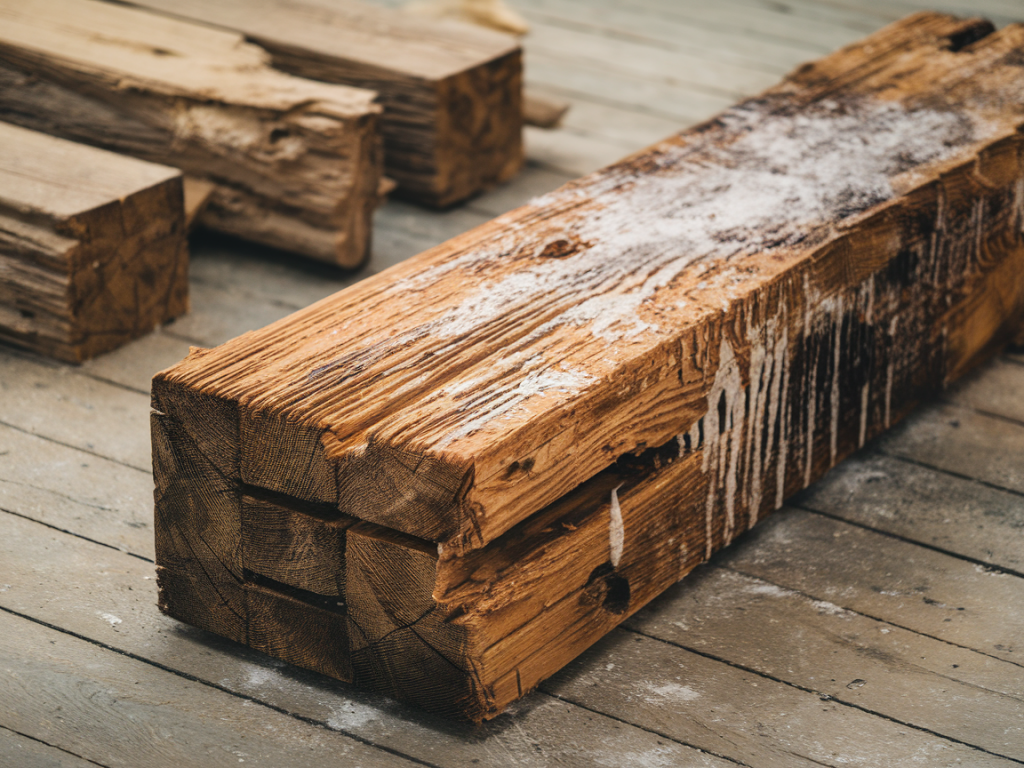
Buying reclaimed timber online feels like a small act of both creativity and care — reusing wood keeps materials out of landfill and brings character to a project. But reclaimed wood can be unpredictable: knots, old nail holes, previous treatments, and variable moisture content can all affect your outcome. I’ve learned the hard way that a beautiful photograph and a flattering description don’t always tell the full story. Asking a few targeted questions before you commit will save time, money, and disappointments.
Essential questions about moisture content
Moisture content is the single most important technical detail I ask about. Wood moves with humidity: if you install wet or damp reclaimed timber indoors, it can warp, cup, crack, or shrink as it acclimatises. Here’s what I always request from an online seller:
- Current moisture content (MC) — Ask for a numeric value (for example, 8–12%). For interior projects, I aim for 6–10% where possible; for colder, less-humid homes 5–8% may be better.
- How MC was measured — Sellers should state whether they used a pin-type or pinless moisture meter and where on the board they measured (end grain can be higher). Pinless meters are less damaging and good for finished surfaces; pin meters can be more accurate through thickness.
- Acclimatisation period — Ask how long the wood has been stored in a controlled environment and whether they recommend an acclimatisation period before installation. I’ll let timber sit in the room it will be used in for at least a week, longer if boards are thick.
- Variation across the batch — If you’re buying several boards, request a range of MCs and whether the seller will pick boards with similar readings to reduce movement after installation.
Questions about previous treatments and finishes
Reclaimed timber may be painted, treated with preservatives, oiled, or finished with lacquers. Some treatments are harmless; others can be toxic or complicate refinishing. I always ask:
- Known previous finish — Was the timber painted, stained, pressure-treated, or used structurally (e.g., in scaffolding or shipping pallets)? If so, ask for photos of close-up areas and edges.
- Presence of hazardous treatments — Specifically ask if the wood was treated with creosote, pentachlorophenol, arsenic-based preservatives (CCA), or lead paint. These need specialist handling and disposal. Sellers should declare if wood was used outdoors or in industrial settings where harmful preservatives were likely used.
- Ability to clean or strip — If you plan to refinish, ask whether the seller has stripped or cleaned the boards and whether they’re sandable. Some timbers are very thinly painted and will require deep sanding or chemical stripping to reveal raw grain.
- Allergens and smells — Old beams or ship timber can smell of oil, tar, or diesel. If you’re sensitive to odours, ask for a detailed description and reassurance that off-gassing has reduced.
Structural history and visual character
I love the patina of reclaimed wood — nail holes, worm tracks, and saw marks tell a story. But you’ll want to know what you’re getting.
- Source and provenance — Ask where the timber came from (barns, warehouses, ships, pallets). Provenance often explains the grade and likely hazards. A seller who can give provenance is usually more reliable.
- Structural use — Was the timber a structural beam or simply cladding? Structural timbers may have been load-bearing and could be sound but could also have hidden stress fractures.
- Visible defects — Request detailed close-up photos of knots, splits, insect holes, and end grain, plus honest notes about any rot. Sellers should point out anything that affects strength or appearance.
- Dimensions and straightness — Confirm widths, lengths, thickness, and whether boards are straight or have a bow. For joinery or flooring you need accurate dimensions and minimal warp.
Delivery, packaging, and returns — practical but crucial
Shipping reclaimed timber can be bulky, heavy, and subject to damage. Ask these logistical questions before you buy:
- Shipping method and carrier — Will the wood be palletised, couriered, or delivered by a bespoke carrier? Pallet delivery with tail-lift is far gentler than standard parcel services for long boards.
- Packaging and protection — Ask how boards are packed to prevent splitting or edge damage in transit. I prefer timber staggered with battens and strapped on a pallet or protected with corner boards.
- Insurance and damage policy — Will the seller take responsibility for transit damage and is the delivery insured? Get clear instructions on who to contact and time limits for reporting damage (often 24–48 hours).
- Return and refund terms — Reclaimed timber is sold as-is in many cases, but reputable sellers offer a returns window if the timber is misrepresented. Ask about return shipping costs and condition requirements for returns.
- Cutting or custom sizing — Some sellers will provide cutting or planing services before dispatch. If you need exact lengths or surfaced boards, confirm availability, lead times, and extra fees.
Certifications, testing, and extra services
Some sellers provide added reassurance with documentation or services. I always appreciate it when sellers go the extra mile.
- Kiln-dried or seasoned — Kiln-dried reclaimed boards will usually have a more predictable MC and are less likely to move; ask for proof.
- Fumigation or pest treatment — For imported or outdoor-sourced timber, ask whether the wood has been treated for pests and whether there’s any certification.
- Test reports — For important projects (e.g., kitchen worksurfaces), ask if the seller can provide lab reports on moisture or treatment analysis.
- Photos of batch vs. sample — Request photos of the exact pieces you’ll receive, or at least that the seller confirms the batch matches the sample. This prevents surprises in grain and tone.
Questions I never forget to ask myself
Beyond the seller, I check whether the wood suits my project:
- Does the colour and character fit my aesthetic? Sometimes a warm reclaimed beam is gorgeous in a rustic scheme but clashes with a lighter Scandi palette.
- Can I work with its condition? If boards need lots of prep (stripping paint, removing nails), do I have the time and tools or is it worth paying a tradesperson?
- Is the price truly representative? Factor in delivery, cutting, resurfacing, and possible remediation (like pest treatment) when comparing quotes.
| Question to ask | Why it matters |
|---|---|
| Current moisture content | Prevents warping and improves stability indoors |
| Previous treatments (creosote, paint, CCA) | Health and safety; affects finishing options |
| Provenance and use | Explains wear, likely defects, and character |
| Shipping, insurance, returns | Avoids unexpected costs and protects against transit damage |
| Photos of the actual batch | Ensures you get what you expect |
When a seller answers clearly and provides photos, moisture readings, and sensible delivery options, I feel confident ordering reclaimed timber online. If details are vague or they can’t confirm MC or previous treatments, I’ll either ask for more info or keep looking. Reclaimed wood is rewarding, but a little homework goes a long way to making sure it’s a joyful part of your home rather than a hassle.