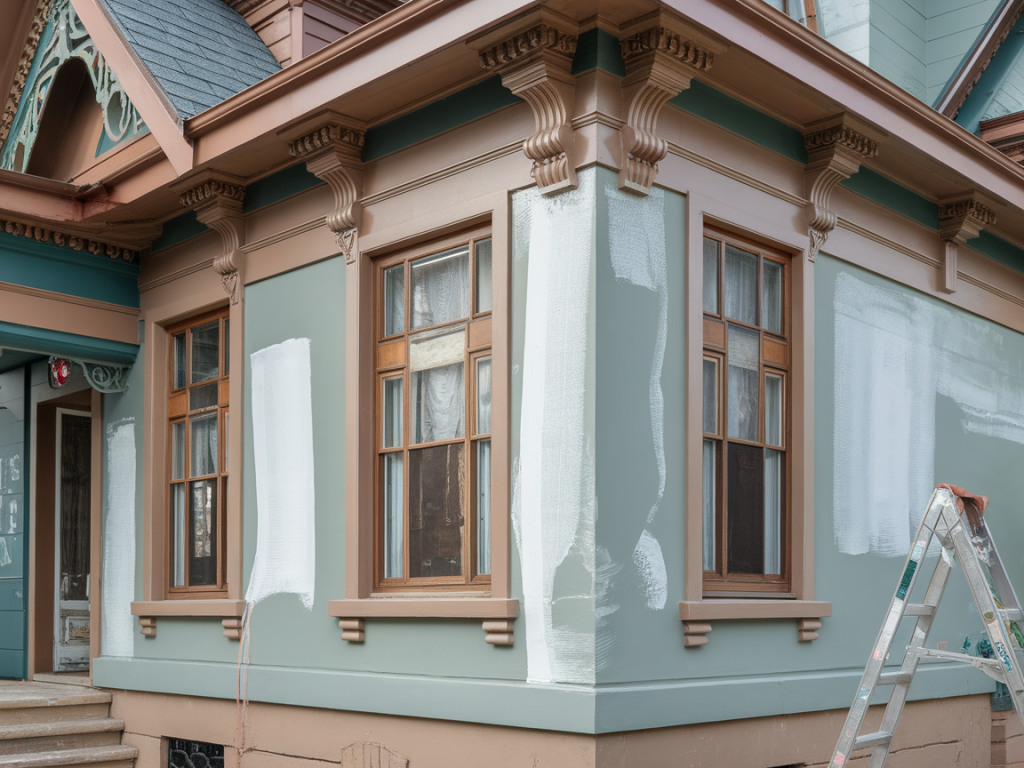
I moved into my first period home with equal parts excitement and trepidation. The sash windows, high cornices and original floorboards felt like pure character, but I quickly learned that decorating and renovating older properties comes with its own set of challenges — especially when it comes to paint. Choosing a low-VOC paint is one of the simplest, most meaningful ways to protect the health of your family and the integrity of historic finishes. Over the years I’ve tested products, made mistakes with masking and clean edges, and learned practical tricks that honour both the building and the people who live in it.
Why low-VOC matters in period homes
VOC stands for volatile organic compounds — chemicals that evaporate into the air from paints and many household products. In a modern new-build with lots of ventilation, VOCs still matter, but in a period home with single-glazed windows, original plaster and less airtight construction, paint off-gassing can linger in rooms for weeks. I want my home to smell like fresh linen, not chemicals.
Choosing a low-VOC or zero-VOC paint reduces indoor air pollution, which is especially important if you have children, pets, asthma sufferers or spend a lot of time at home. It’s also better for the craftspeople who may be working in your space, and for the planet — manufacturing lower-VOC paints typically involves fewer harmful additives.
Picking the right low-VOC paint: what to look for
Not all low-VOC paints perform the same. Over the years I’ve learned to evaluate paints using a few practical criteria:
- VOC level: Look for paints labelled “Low-VOC” or “Zero-VOC”. Note that “zero” sometimes excludes colorants, so a tinted sample may have slightly higher VOCs.
- Breathability: For old lime plaster or limewash, choose breathable paints (often labelled “vapour-permeable”) to avoid trapped moisture and flaking.
- Durability: Kitchens, bathrooms and hallways need paints that scrub well. Some low-VOC options now match traditional paints in durability — try Farrow & Ball’s Estate Emulsion (now reformulated with lower VOCs), Earthborn, or Little Greene’s breathable ranges for period properties.
- Finish: Eggshell or mid-sheen trims are often ideal in period homes — they’re traditional-looking but wipeable. For walls, a matt breathable emulsion feels authentic and soft.
- Colour matching: Historic colours sometimes look different in modern formulations. Test 30cm x 30cm patches in natural light and watch them across the day.
Brands I often reach for
I test everything in my own home first, so I can recommend paints I’ve lived with. A few favourites:
- Earthborn — breathable clay and mineral paints that work well on older plaster and limewash finishes.
- Little Greene — beautiful, historically informed colours and low-VOC options with good opacity.
- Farrow & Ball — richer pigmented shades; check their current VOC status in case of tinted variations.
- Auro — natural paints with biosourced ingredients for an extra low-impact option.
Preparing surfaces in a period home
Prep is everything. Old walls have quirks — hairline cracks, uneven plaster, layers of old paint. Here’s my simple approach:
- Repair with breathable materials: use lime-based fillers on lime plaster; avoid cement-based products that can trap moisture.
- De-gloss old paint where needed: a light sanding with 120–150 grit gives the new paint something to grip.
- Clean surfaces: remove dust and cobwebs with a soft brush. For greasy patches near kitchens, use a mild, eco-friendly degreaser.
- Prime smartly: use a primer compatible with both the substrate and your chosen topcoat. For very absorbent or patched walls, a single-coat primer helps even out finish and reduces the number of topcoats needed.
Avoid these common masking mistakes
I learned the hard way that getting clean paint lines in a period home isn’t just about patience but about technique. Here are masking mistakes I see again and again — and how to avoid them.
- Wrong tape for the job: Don’t assume all blue painter’s tape is the same. Use a low-tack, solvent-free painter’s tape for delicate surfaces like original woodwork. For textured walls, use a flexible tape that can follow contours.
- Taping to dirty or dusty surfaces: Clean surfaces first. Tape sticks best to a dust-free, dry surface.
- Not sealing the tape edge: A little paint bleed-proofing goes a long way. Run a fingertip or a plastic scraper over the tape edge to ensure adhesion. For super-clean lines on trim, paint the tape edge once with the trim colour and let dry before applying the wall colour — this seals any gaps.
- Stretching the tape: Don’t pull the tape tight — it can lift once it tries to contract back, causing jagged edges.
- Removing tape too late or too early: Remove tape while the topcoat is still slightly tacky, at a 45-degree angle. If you wait until it’s fully cured, the paint can peel back with the tape; if you remove it too soon, the wet paint might smear.
My go-to masking and edging techniques
For delicate sash windows, ornate skirting and original doors, I use a combination of tools and a calm approach:
- Fine-bristle brushes: A 1″ sash brush is perfect for cutting in around trim. I prefer natural-hair or high-quality synthetic brushes for smooth edges.
- Folding knife for uneven gaps: Where tape won’t sit flush against mouldings, I use a craft knife to trim the tape so paint can’t seep behind it.
- Low-pressure rolling: Use a mini roller with a 4–6mm nap for slightly textured walls; overload the roller and you’ll push paint under the tape.
- Paint the trim first: When repainting two different colours (trim and wall), I often paint the trim first, let it dry, then tape and paint the walls. That way any tiny bleed is covered by the second coat of trim colour if I need to touch up.
Testing and sampling — a non-negotiable step
I always buy sample pots and paint full-size patches in the actual rooms. Why full-size? Small swatches don’t show texture, sheen, or how colour reads across a whole wall. Leave samples for a few days and observe in morning and evening light. Check how the tinted low-VOC paint behaves — sometimes opacity is lower and needs another coat, especially in pastel shades.
Health and ventilation tips while painting
Even low-VOC paints can have an odour. I keep windows open where possible and create cross-ventilation with a small fan. Wear a basic mask if you’re sensitive to smells or using solvents for cleaning brushes. Use water-based brushes and natural soap for cleaning when the paint allows — it reduces solvent use and makes cleanup kinder to the planet.
A small table to compare paint types quickly
| Paint type | Best for | Breathability | Durability |
|---|---|---|---|
| Clay/mineral (Earthborn) | Lime plaster, character walls | High | Moderate (touch-up friendly) |
| Low-VOC emulsion (Little Greene) | Living rooms, bedrooms | Medium | High |
| Mid-sheen trim (Farrow & Ball) | Skirting, doors, windows | Low | Very high |
Finishing touches I always recommend
Once the paint is on, it’s the small details that make a period home feel cared-for:
- Refinish or repair original hardware rather than replacing it — a brass polish can bring back warmth.
- Use soft natural textiles and layered lighting to complement your chosen paint colours.
- Label any leftover paint tins with the room and date — I keep mine in a cool, dry cupboard for touch-ups.
If you’d like, I can share a printable checklist for prepping and painting a room in a period property (including tape types, brush sizes and a sample patch planner). I test all recommendations in my own home first, and I’m always collecting new tips to help you make thoughtful, lasting choices for your historic spaces.