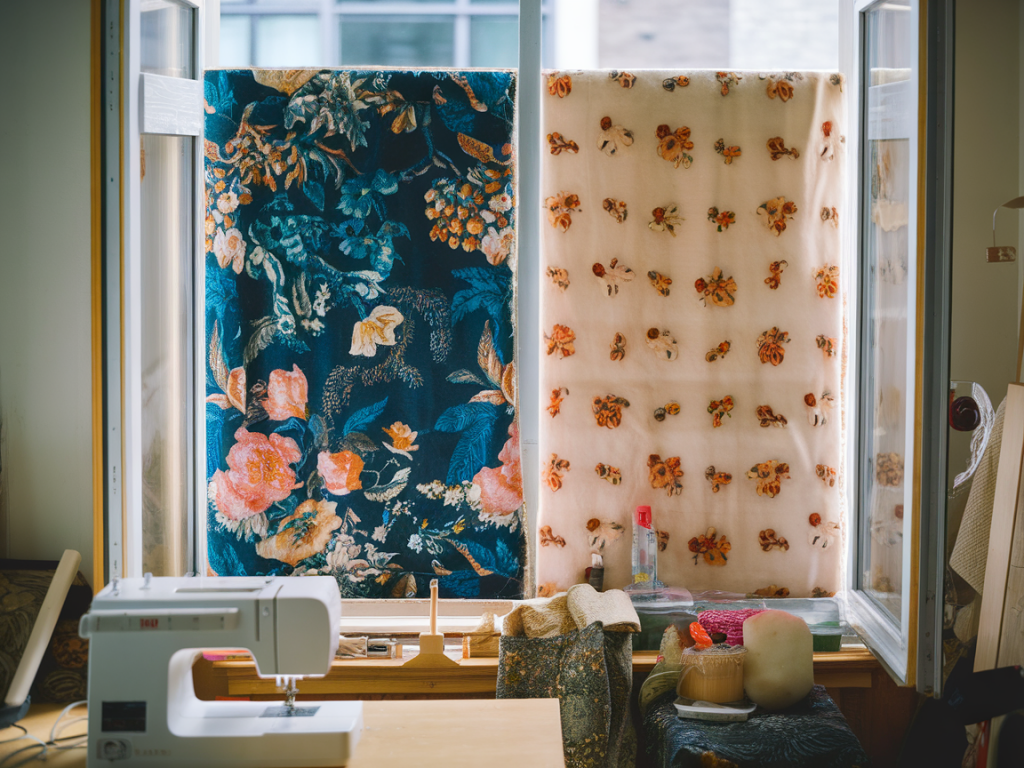
I live in an older rented flat where the windows are lovely but single-glazed and a little drafty — the kind that steals warmth in winter and leaves condensation along the sills. I wanted a simple, low-waste fix that wouldn’t damage the frames or require landlord approval. The solution I kept coming back to was a removable insulating window panel made from thrifted fabric and recycled batting. It’s cosy, inexpensive, and pleasing to look at — and best of all, I tested it in my own living room before sharing it here.
Why make an insulating window panel?
Insulating window panels (also called thermal panels or window quilts) are a great way to reduce heat loss through glass without replacing windows. They trap a layer of air between the panel and the glass and add a layer of thermal resistance with the batting. For renters, they’re attractive because they’re reversible and non-destructive: you can take them down when you move.
I care about sustainability, so I avoid buying new technical fabrics if possible. Thrifted curtains, duvet covers, or heavy upholstery fabrics work brilliantly. For the insulating layer, recycled cotton or wool batting (from old quilts or thrift stores) is warm and breathable. In my flat I achieve a noticeable reduction in drafts and a calmer room temperature after a cold night — and my energy bills nudged down too.
Materials and approximate cost
Here’s what I typically use. Quantities depend on your window size; I’ll give guidance below on measuring.
| Item | Use | Where to find |
|---|---|---|
| Thrifted fabric (curtain, quilt cover, upholstery) | Visible face and backing | Charity shops, Freecycle, local markets |
| Recycled batting (cotton/wool/poly blend) | Insulating middle layer | Old duvet/blanket, quilt, or specialist thrift |
| Velcro or magnetic tape | Mounting method (non-damaging) | Hardware store, Amazon, online haberdashery |
| Bias tape or cotton tape | Edge finishing | Haberdashery, reuse from old curtains |
| Thread, needle or sewing machine | Sewing seams and hems | Already at home or thrift |
Cost: if you use only thrifted materials, expect to spend under £15 per panel (mostly on Velcro or magnetic tape). Buying new batting or specialist mounting hardware raises the price but still beats most professional secondary glazing options.
How to measure your window
Measure the glass area you want to cover, not the frame. I like to make the panel slightly larger than the glass — about 1–2 cm on each side — so it seals against the frame when pressed. For a snugger fit and better thermal performance, add up to 3 cm if you want the panel to sit against the frame rather than inside it.
Useful checklist:
Cutting and assembling the panel
Once I have my measurements, I cut the thrifted fabric into two rectangles (front and back) matching the panel size plus a 1 cm seam allowance on all sides. Then I cut the batting to the same size but without extra seam allowance, so it sits neatly between the fabric layers.
Step-by-step:
Finishing touches and aesthetics
I like panels that look as carefully made as they function. If your thrifted fabric has a pattern, orient it so it reads correctly from inside the room. Add a strip of cotton tape around the edge for a neat binding, or leave raw edges if the fabric is heavy and won’t fray.
If you enjoy a more decorative finish, stitch a thin pocket across the top edge and insert a small, lightweight wooden batten or curtain rod to create a slight bow effect when mounted. Or sew on loop tabs and hang with removable adhesive hooks (check weight limits).
Mounting options for renters
The mounting method depends on how permanent and airtight you want the panel to be. I use two approaches depending on the window:
Whichever you choose, check the manufacturer instructions of adhesive products and test a small area of paint or wood first. I usually press the Velcro on with firm pressure and leave it for 24 hours before hanging the panel.
Performance and care
Thermally, a well-fitted panel will reduce drafts and slow heat loss. It won’t replace double glazing, but it’s effective at evenings and overnight when you want to keep warmth in. I noticed less condensation on the glass and a cosier corner for reading after adding my first panel.
Cleaning: most thrifted fabrics tolerate gentle machine washing; check the labels. If the fabric is delicate, spot-clean or dry-clean as needed. The batting can mat down over time, so swapping in fresh recycled batting every couple of years keeps performance high. Store panels flat or rolled in a breathable bag when not in use.
Troubleshooting and tips I learned
Making insulating window panels from thrifted fabric and recycled batting is one of those small projects that brings disproportionate joy: it’s tactile, frugal, and immediately rewarding. I hope you’ll enjoy making one for your own space — it’s a lovely way to add warmth, texture, and a little more sustainability to your home.