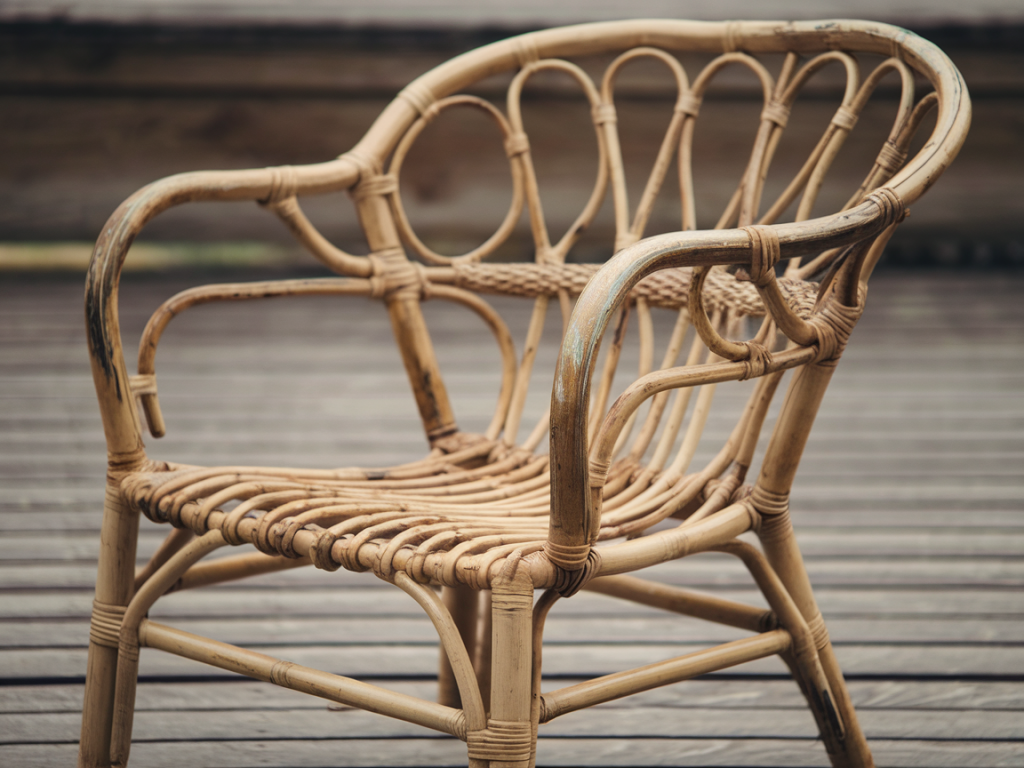
I found the rattan chair for £50 on a local Facebook Marketplace listing — a slightly saggy seat, a few broken weaves on the back, and a tired finish that had seen better days. It was exactly the kind of secondhand find I love: cheap, full of character, and begging for a little TLC. Could it look like a designer piece after a few hours (and a small budget) of work? The short answer: yes. Below I’ll walk you through my step-by-step repair, color and weave fixes, plus styling tips to make a rescued rattan chair feel intentional and considered rather than patched together.
Why rattan is worth rescuing
Rattan is natural, durable, and has a warm, lived-in look that works in so many interiors — from Scandi minimal to boho cosy. Buying secondhand keeps it out of landfill and often means you get solid solid-wood frames built to last. The common issues you’ll encounter are loose or broken strands, flaking varnish or paint, and sagging seats. None of these problems are deal-breakers; with basic tools and a little patience they’re completely fixable.
What I assess before buying
- Frame integrity: wiggle the legs and joints. If the frame is solid and joints only a little loose, it’s a good candidate.
- Extent of damage: small weave gaps and a few snapped strands are fine. If the entire seat is collapsed or the frame splits, it’s more work than I want for £50.
- Style and proportion: imagine the chair in your space — shape and scale matter. A classic mid-century rattan armchair can feel designer with the right finish.
Tools and materials I keep on hand
Here’s what I used for this particular chair (all inexpensive and easy to source):
- Rattan reed and cane (various widths) — available from craft shops or suppliers like B&Q, Homebase, or online at Amazon/WeaverBird.
- Wood glue and a low-temperature hot glue gun for quick holds.
- Small clamp set and zip ties
- Sandpaper (120–320 grit)
- Natural oil or matte varnish (I prefer Osmo Wood Wax Finish or a Danish oil) for a warm, designer-looking finish.
- Fabric cushion or foam cut to size and simple neutral linen for a seat pad.
- A paintbrush, sponge, and small pair of scissors or craft knife.
Step-by-step repair: fixing the weave
Start with the weave because getting the pattern right makes the chair read as intentional, not patched.
- Remove loose strands — gently cut away frayed or broken pieces. Keep any intact pieces you can reuse.
- Soak the cane — soak new rattan cane in warm water for 30–60 minutes to make it pliable. This prevents cracking when you bend it into place.
- Weave replacement — follow the original pattern. If the original weave is hard to replicate, mimic it visually: alternate thicker and thinner strands to recreate the rhythm rather than an exact match. For open-backed chairs a simple vertical and horizontal repair can look very neat and modern.
- Secure ends — tuck ends into existing crevices, glue with wood glue, and hold with small clamps or zip ties until dry. For extra hold, a dot of hot glue behind the weave keeps things tidy.
- Trim and sand — once dry, trim any excess and sand lightly to blend new cane with old.
Seat fixing and reinforcement
If the seat dips or the webbing has given way, you have a few options depending on how much structure you want to keep:
- Re-webbing — replace the webbing with new rattan strips for an authentic fix. This is labour-intensive but beautiful.
- Add a removable cushion — often the easiest and most renter-friendly solution. I cut a piece of high-density foam to fit, wrapped it in natural linen, and tied it to the frame with discreet loops. It adds comfort and covers minor imperfections.
- Plywood base — for a stronger, hidden fix, glue a slim plywood round or rectangle to the seat inside the frame and glue/osmose a new foam cushion on top. This keeps the chair comfortable without changing its silhouette.
Color and finish: designer tricks
A fresh finish instantly lifts a secondhand piece. The question is: do you keep the natural rattan or paint it? Both can look designer — it’s about execution.
- Natural finish — sand away flaking varnish, clean with a damp cloth, and apply a matte oil or a satin Osmo finish. This enriches the grain, evens colour, and gives a handcrafted, high-end look. I often use Danish oil for that warm vintage glow.
- Muted paint — if you want a contemporary update, choose soft, muted tones: warm white, sage, or a dusty terracotta feel very intentional. Use an eggshell paint and thin, even coats. Lightly distress the edges with fine sandpaper for a curated, lived-in finish.
- Contrast details — paint just the legs or the outer frame and leave the weave natural for a designer two-tone look. This draws the eye to the structure and keeps the natural texture centre stage.
Styling to read as designer
How you style the chair in a room matters as much as the repair. Here’s what I did to make my £50 find look like a considered purchase:
- Layered textiles — a neutral linen cushion and a small handwoven throw draped over the arm add texture and comfort. I avoid bright patterns — designer looks often lean on texture and muted palettes.
- Placement — position the chair where it can be seen from multiple angles and pair it with a small side table and a plant. A sculptural dried palm or a potted rubber plant gave mine an editorial feel.
- Accessorise with objects that feel valuable — a ceramic lamp, brass tray, or a curated stack of design books elevate the scene around the chair.
- Scale and balance — balance the lightness of rattan with a weighty rug or a low wooden coffee table to ground the seating area.
Budget breakdown
| Secondhand chair | £50 |
| Rattan cane and reed | £8–£15 |
| Oil/varnish | £10–£20 |
| Foam & fabric for cushion | £10–£25 |
| Misc (glue, sandpaper, zip ties) | £5–£10 |
Total: under £100 to transform it into a piece that looks much pricier.
This project reminds me why I love working with secondhand furniture: the imperfection is an opportunity, not a problem. With a few simple repairs, a careful finish, and thoughtful styling, that humble £50 chair feels like it belongs in a magazine spread — warm, edited, and unmistakably lived-in.