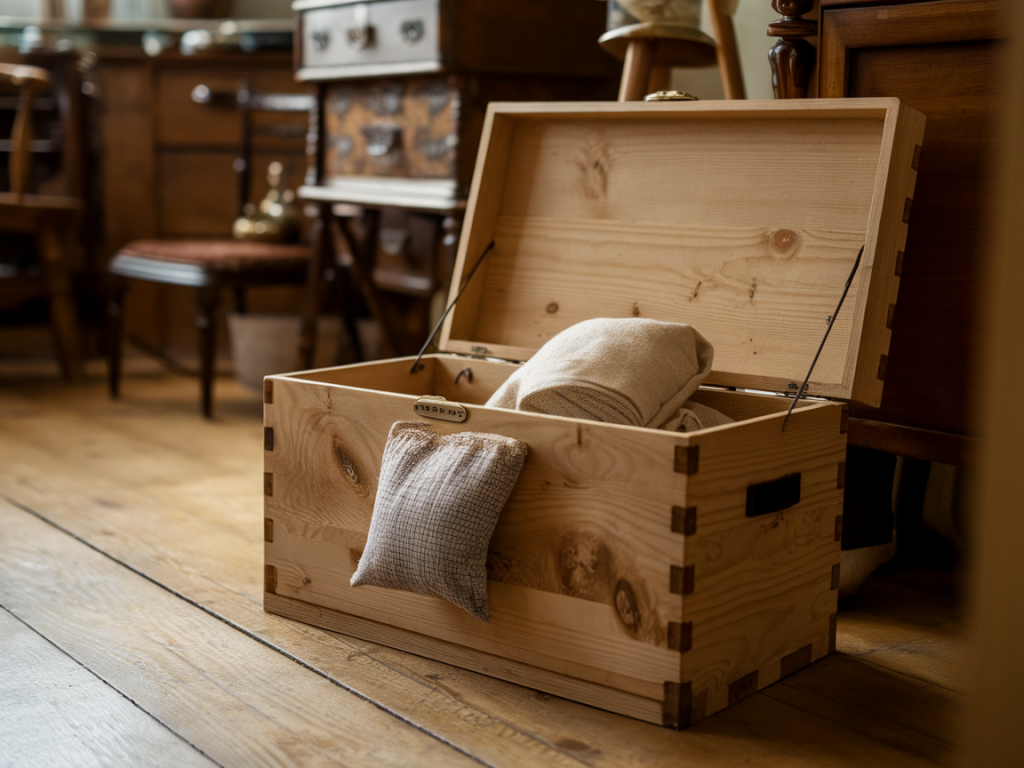
I’ve lost count of the number of wool jumpers I’ve rescued from forgotten corners of my wardrobe, only to find them ragged from moths. Over the years I’ve developed a simple, low-waste approach to protecting my knitwear that leans on natural materials I trust: cedar, lavender, and a few different sachet techniques. In this post I’ll walk you through how I make a moth-proof jumper chest, how I refresh and maintain it, and three easy sachet tutorials you can make in an afternoon — no fancy gear required.
Why cedar and lavender work (and why I prefer them)
I like solutions that are effective, gentle, and pleasant to live with. Cedar wood contains natural oils (cedrol and others) that deter moths without harsh chemicals. Lavender has long been used as a moth repellent too, and its scent is something I genuinely enjoy in a linen chest. Together they create a layered defence: cedar gives ongoing protection and structure; lavender adds a fragrant top-up and a user-friendly reminder to check things every season.
Important note: these natural repellents don’t kill moths instantly or replace good housekeeping — they discourage egg-laying and feeding. For severe infestations you will need to launder, freeze, or professionally treat garments first. My method is about prevention and maintaining a cosy, sustainable wardrobe.
How I choose a chest and prepare it
A good chest for jumpers should be dry, ventilated, and easy to open so you can inspect contents. I use a solid oak trunk I found at a charity shop, but a well-sealed wooden chest, a bamboo trunk, or even a deep dresser drawer works well. Avoid plastic containers long-term for natural fibres — they can trap humidity.
Before anything goes in, I always do a quick check and clean:
How I prepare jumpers for storage
Proper storage starts with the garment. I never store jumpers dirty — food crumbs and body oils attract moths. Here’s my standard pre-storage routine:
Where I put cedar
I use several cedar forms to create layered protection:
When you buy cedar, choose untreated, kiln-dried cedar (commonly Western Red Cedar or Spanish cedar). Avoid cedar that’s been heavily varnished — the oils need to breathe. If the scent fades after a year, a light sanding of the cedar surface with fine sandpaper refreshes the oils beautifully.
Simple sachet tutorial: sewn lavender sachet (beginner-friendly)
This is my go-to project: quick, tactile, and perfect for using scrap fabric.
| Materials | Notes |
| 100% cotton or linen scraps (10 x 10 cm) | Natural fibres only |
| Dried lavender buds (1–2 tbsp) | Choose culinary-grade or organic where possible |
| Needle and thread or sewing machine | Colour to match fabric |
Instructions:
No-sew burlap sachet (quick and rustic)
Perfect if you’re short on time or sewing skills. Burlap breathes well and gives a natural, farmhouse touch.
Knitted/crocheted sachet (for makers)
I love this for using leftover yarn (preferably wool) — the fibre itself is an extra barrier. A simple 10 cm knitted square in garter stitch folded and seamed makes a cosy pouch. Fill with lavender and a cedar shaving, then seam and trim excess yarn. The knitted texture releases scent slowly and looks charming tucked among jumpers.
How many sachets and where to position them
General rule: one sachet per small drawer or one sachet every 15–20 cm in a trunk. I usually place:
Seasonal refresh and maintenance
I treat my jumper chest as a seasonal ritual. Every three months (and at the start and end of autumn/winter) I:
What to do if you spot moths or damage
If you find holes or live larvae, don’t panic. My steps are:
These methods are gentle, affordable, and fit the Take Root Design ethos: choose simple, natural materials and make small rituals of care. Protecting my jumpers this way has saved favourites and reduced the need for chemical repellents — and I love the calm scent of lavender when I open the chest each season.