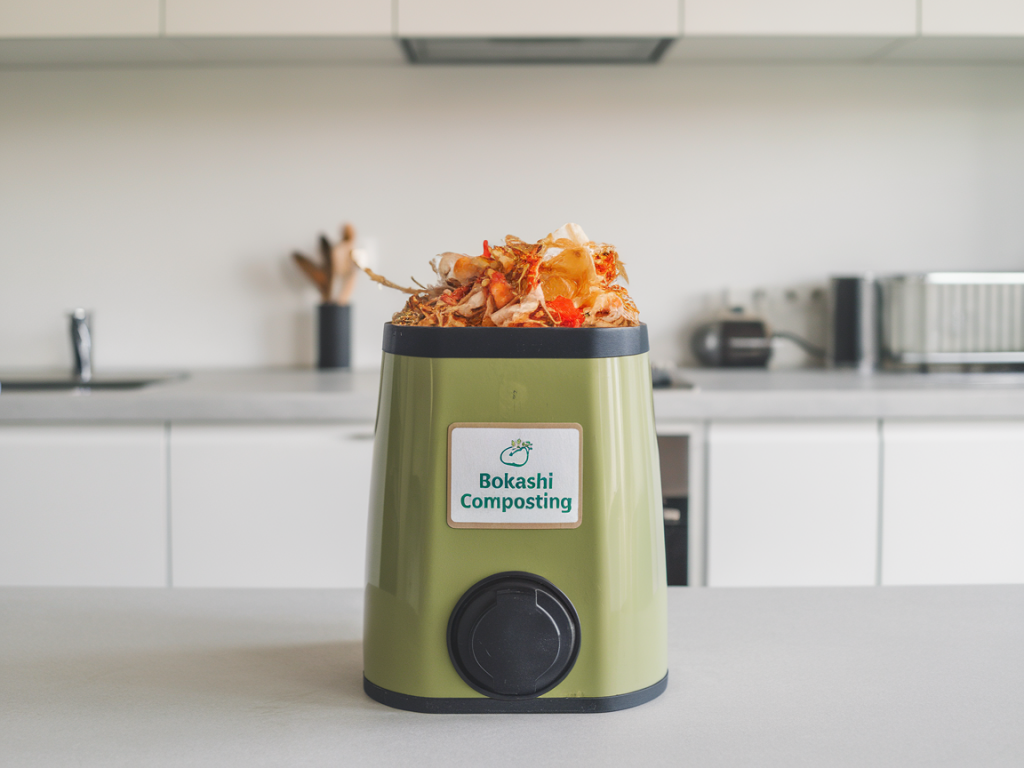
I started bokashi composting in my tiny London flat because I wanted a low-odour, fast way to divert kitchen waste without hauling bags to a council green bin every week. If you're short on outdoor space—or have none at all—bokashi is one of the simplest, cleanest systems I've found. It’s compact, tidy, and forgiving. Below I’ll walk you through how I do it, what equipment works best in a small home, what to feed (and what to avoid), how to handle smells and leaks, and practical ways to use the end product even if you don’t have a garden.
What is bokashi and why it’s great for flats
Bokashi is a form of fermentation composting that uses beneficial microbes (often called effective microorganisms or EM) to ferment kitchen scraps. Unlike traditional composting, bokashi processes everything — fruit and veg peelings, cooked food, dairy, meat, and even small bones — and does so in an anaerobic (air-free) environment. The result is pickled, pre-compost that needs a short maturation stage afterward.
Why flats love it:
Compact: the system fits under a sink or on a balcony shelf.Fast: a batch can be filled in 2–4 weeks depending on your input and how often you compact the contents.Low smell: when used correctly, bokashi smells pleasantly sour (like pickles), not rotten.Versatile: you can use the fermented waste to improve soil, speed up compost piles, or feed houseplants with a diluted "tea."What you need to start (minimal kit)
You don’t need a fancy setup. Here’s what I use and recommend:
A bokashi bin with an airtight lid and a tap/drip tray at the bottom — the dual-bin systems from brands like Oklin or Bokashi Living work well, but a single bin is fine for most flats.Bokashi bran inoculated with EM — this is the powdered bran that jumpstarts fermentation. Brands include EM-1 (for DIYers who want to mix their own bran) and pre-inoculated options like Bokashi Bran from Oklin. I keep a small jar in a cool cupboard.A small scoop for sprinkling bran.A tight-fitting lid and a weight (like a small plate) to press scraps down. If your bin doesn’t include a pressing plate, any clean, flat object that fits will do.A small tray or container to catch the bokashi tea (the liquid that drains) — you can reuse it diluted as a feed.Optional but handy:
A second bin for continuous processing (one fills while the other ferments).A silicone mat or small board to keep the bin steady under the sink or on a balcony.Step-by-step: how I do it in my flat
My routine is simple and low-effort—perfect for everyday life.
Keep the bin under the sink or on a balcony shelf. I line mine with a newspaper or use the bin as-is; lining is not essential but makes cleanup easy.Each time I cook, I scrape food into the bin. I add everything except large glass or metal scraps: fruit and veg peelings, coffee grounds, tea bags, cooked rice, small bones, dairy, and leftover meals.Press down the contents with a plate or the included plate to remove air pockets — anaerobic conditions are key.Sprinkle a handful of bokashi bran (about a tablespoon for a small kitchen load) evenly over the top. A light, even sprinkling works better than dumping a heap in one spot.Close the lid tightly. I aim to fill the bin within 2–3 weeks. You can add small amounts daily; just press and sprinkle each time.Drain the liquid from the tap every few days into a reusable container. This “bokashi tea” is highly concentrated and should be diluted with water (around 1:100) before using to water plants or poured down drains for septic-friendly cleaning. If you have a compost heap, the liquid is a superb activator when diluted 1:10 to 1:50 depending on use.When the bin is full, seal it and leave it to ferment for 10–14 days. Keep it somewhere cool and dark—under the sink or in a cupboard is ideal.What to do with the fermented waste without a garden
People often ask: "I don’t have a garden — now what?" There are several options:
Burial in pots: I dig a small hole in large plant pots (indoors or on a balcony) and bury the fermented material, covering with soil. It gradually integrates and nourishes the potting mix. Avoid burying right next to delicate roots; give plants a little space.Mix into store-bought compost or a wormery: If you have access to communal composter or a friend with a garden, add the bokashi to their compost. The fermented scraps will break down quickly.Use as a soil drench: After the fermentation period you can make a milder “tea” by soaking the fermented mix in water for a few days, then using the liquid (diluted) to water houseplants. I use about 1:10 dilution and top up once a month.Community schemes: Many councils or allotment sites accept bokashi buckets for final burying or composting. Check local community gardens or Facebook neighbourhood groups.Dealing with smells, leaks and pests
Bokashi is forgiving, but a couple of basics keep it clean and pest-free:
Always press down and seal the lid. Air is the biggest trigger for bad odours and fruit flies.Use the bran consistently. The correct ratio prevents spoilage. If you run out, freeze scraps in a sealed bag until you can top up the bran supply.Keep the drain tray clean and empty the bokashi tea regularly. Don’t let it sit and stagnate.If a bad smell develops (rotten rather than pickled), it usually means too much air or not enough bran. Transfer contents to a fresh bucket, add more bran, press down, and reseal.For leaks, ensure the tap is tightly closed and the bin sits level. Place the bin on a shallow tray if you’re concerned about floors or cupboards.What not to put in bokashi
Although bokashi accepts far more than typical compost, there are a few things I avoid:
Large bones — small poultry bones are okay, but big beef bones take ages to break down.Large amounts of liquid fat or oil — small leftovers are fine, but a bowl of cooking oil can create problems.Non-food items and large pieces of plastic or metal.Tips to make it even easier in a tiny home
Keep a small countertop caddy with a lid to collect daily scraps and reduce trips to the bin. I use a 1–2 litre caddy and empty it into the bokashi bin every couple of days.Store bokashi bran in a sealed jar in a cool spot to keep the microbes active longer.If you rent and worry about stains or smells, keep the bin on a tray and rotate between two bins to avoid handling fermented material too often.Label your bins with the date you sealed them so you know when the fermentation period ends.Bokashi composting transformed how I manage kitchen waste in a small flat: less waste, fewer trips to the bin, and a surprising amount of usable plant feed from what used to be rubbish. It’s simple to set up, low-maintenance, and feels like a small but meaningful way to live more sustainably in a city. If you’d like, I can share a shopping list of compact bin options and reputable bokashi bran suppliers available in the UK.