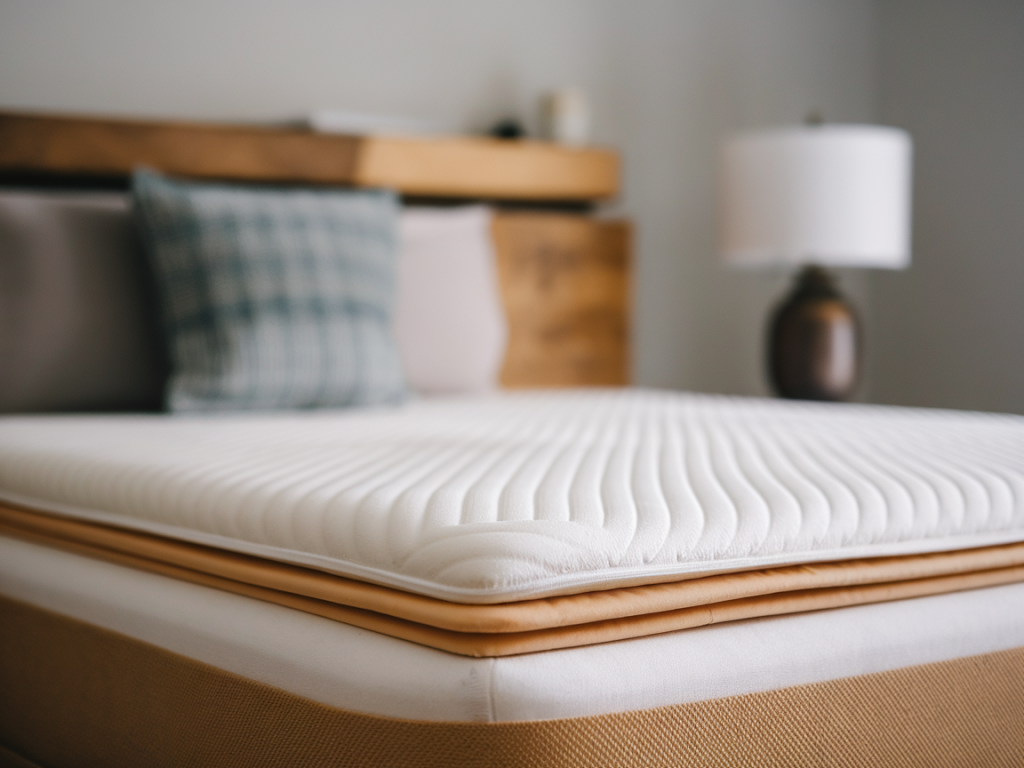
When I started looking for a natural solution to reduce my chronic lower back discomfort, I didn't expect the mattress topper to be the game-changer. After years of swapping pillows, trying different mattresses and experimenting with sleeping positions, I found that the right natural latex mattress topper gave me support where I needed it while adding a resilient, breathable layer that lasted. If you're exploring natural options for back pain and longevity, this guide will walk you through what I’ve learned—what to look for, what to avoid, and how to choose a topper that will still feel good years from now.
Why choose natural latex?
Natural latex, made from the sap of rubber trees, offers a unique combination of support, responsiveness and durability. Unlike synthetic foams that can soften, sag or off-gas, natural latex tends to keep its shape longer and breathe better, which helps regulate temperature through the night. For me, the most compelling reasons to choose natural latex are:
Durability: A good natural latex topper can last 8–12 years with proper care.Support and resilience: It contours without the slow sink of memory foam, so my hips and shoulders get relief without my back losing alignment.Eco credentials: When harvested and processed responsibly, latex has a lower environmental impact than many synthetic alternatives.Hypoallergenic and breathable: Natural latex resists dust mites and mold better than many other materials.Key terms to know
Before you get overwhelmed, here are a few terms I found useful to understand:
Dunlop vs Talalay: Two common processing methods. Dunlop is denser and often firmer; Talalay is lighter and may feel more consistent and springy. For back support, I usually lean toward Dunlop or a firmer Talalay.ILD (Indentation Load Deflection): A number that indicates firmness. Lower ILD = softer feel; higher ILD = firmer. For back pain, many people find ILD in the 28–40 range comfortable depending on their weight and mattress underneath.Blended or 100% natural: Some toppers are made from a mix of natural and synthetic latex. If sustainability and low chemical load matter to you, look for 100% natural or GOLS-certified latex.How to choose the right thickness and firmness
Picking thickness and firmness comes down to your body, your mattress and your pain pattern. These are the rules I used to refine my choice:
Thickness: 2–3 inches is usually enough for minor adjustments; 3–4 inches adds significant contouring and pressure relief. I started with a 2-inch topper but found a 3-inch gave much better alignment for my lower back.Firmness (ILD): If you sleep on your back or stomach, opt for a firmer topper to keep your hips aligned with your spine. Side sleepers often prefer a softer surface to cushion shoulders and hips. As a side-and-back combo sleeper, I chose medium-firm (around ILD 32) and it balanced comfort with support.Consider your mattress: A soft mattress might need a firmer topper to prevent sinking, while a new firm mattress can be softened with a plush topper.What to look for in quality and certifications
Not all natural latex is created equal. I always check for clear sourcing and independent certifications that reduce the likelihood of chemical additives:
GOLS (Global Organic Latex Standard): Ensures organic latex production and processing; great if you want organic assurance.OEKO-TEX Standard 100: Verifies low levels of harmful substances in textiles and covers covers and blends.Forest Stewardship and ethical harvesting: Many brands will note sustainable harvesting practices. Look for transparency on their site or product pages.Brands and models I tried (and what worked)
I tested several toppers so I could recommend what felt honest and durable. Here are a few worth researching:
Avocado Green Mattress (latex topper): Organic-certified, GOLS options, nicely balanced feel. It's pricier but well-made and resilient.Sleep On Latex: They offer 100% natural Dunlop toppers in various thicknesses and firmness levels. Good value for the longevity.Latex for Less: A budget-friendly option that still uses natural latex; a good entry point if you’re trying latex for the first time.When I compared these, I found the Dunlop models felt denser and more supportive, while Talalay to me felt slightly bouncier and better at reducing pressure in the shoulders.
Maintenance and longevity tips
To get the most life out of a natural latex topper and maintain back-supporting performance, I follow a few simple steps:
Rotate the topper every 3–6 months to distribute wear.Use a breathable topper cover (organic cotton or linen) to protect from sweat and dust while maintaining airflow.Spot clean spills promptly; avoid soaking latex in water.If the topper is on a mattress with less support, consider a sturdy base or mattress replacement sooner rather than later—latex performs best paired with adequate underlying support.Quick comparison table: Dunlop vs Talalay
| Dunlop | Talalay |
|---|
| Density | Denser, firmer feel | Lighter, more consistent feel |
| Best for | Back sleepers, those needing stronger support | Side sleepers, those wanting more pressure relief |
| Longevity | Very durable | Durable but slightly less dense |
| Price | Often slightly less expensive | Often pricier due to processing |
Common questions people ask me
Will a topper fix my back pain? A topper can help by improving spinal alignment and reducing pressure points, but it’s not a cure-all. If pain persists, pair it with posture work, strengthening exercises and, if needed, professional advice.Does latex sleep hot? Natural latex breathes better than memory foam. Using a breathable cover and keeping a ventilated mattress base helps significantly.Are there odours? Pure natural latex has a mild rubbery scent at first that usually dissipates within a few days in a well-ventilated room. Choose GOLS or OEKO-TEX-certified products to minimize chemical smells.If you’re leaning toward a natural latex topper, try to test different firmness levels if possible. I found that sleeping on a mattress demo or borrowing a topper for a week made all the difference. Small changes in thickness or ILD drastically altered how my back felt in the morning.
Lastly, remember that sleeping well is cumulative—supportive bedding, consistent sleep schedules and mindful daytime movement habits all add up. A well-chosen natural latex topper can be a cornerstone of a restorative sleep setup that’s both gentle on your body and kinder to the planet.