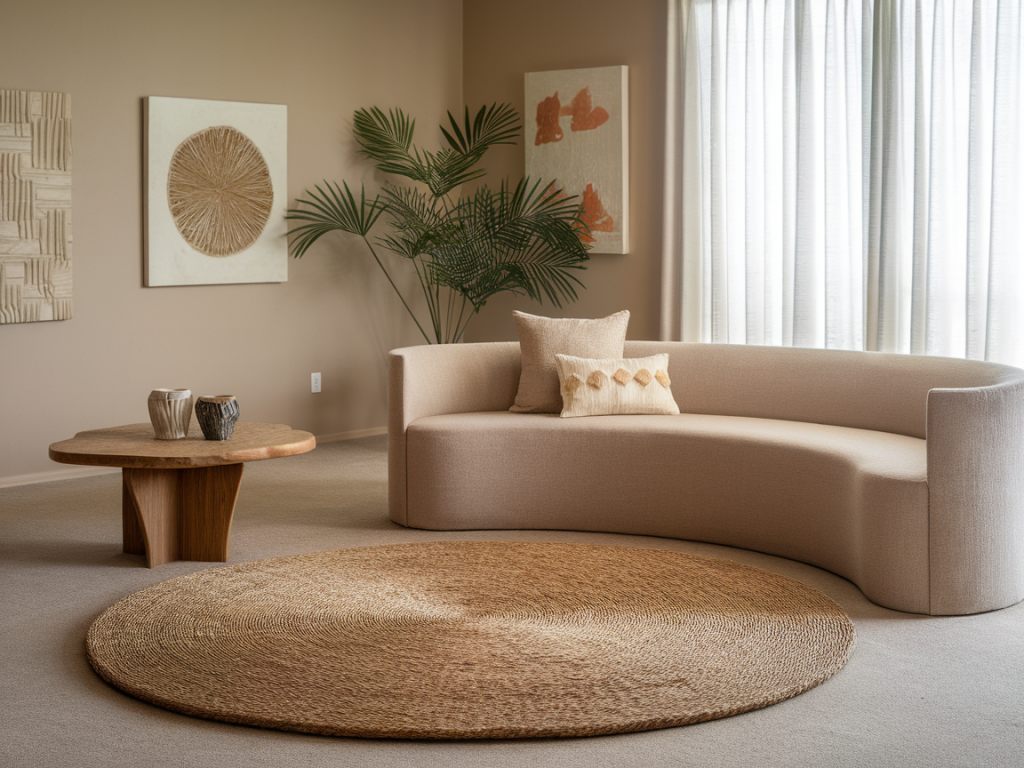
Why I love seagrass rugs (and why they’re a sensible budget pick)
I’ve used seagrass rugs in nearly every home I’ve decorated — they bring texture, natural warmth, and a lived-in look that feels rooted rather than trendy. Seagrass is affordable compared with wool or hand-knotted rugs, hardy in high-traffic spaces, and often available in neutral tones that suit many colour palettes. For budget-conscious, sustainable decorating, seagrass often hits the sweet spot: low-cost, low-maintenance (when chosen well), and made from a renewable material.
Where I shop for affordable seagrass rugs in the UK
Over the years I’ve collected a list of reliable places where you can find seagrass rugs without breaking the bank. I split these into new retailers and secondhand options — both are worth considering depending on the look and environmental impact you prefer.
- IKEA — Great for very affordable, simple woven seagrass or jute-blend runners. The quality is basic but useful for rentals or temporary setups.
- Dunelm — Regularly stocks seagrass-look rugs and real seagrass options at budget-friendly prices and frequent sales.
- Wayfair & Very — Lots of choice and frequent discounts; check product descriptions carefully because some items are sisal or jute rather than seagrass.
- Habitat & MADE.com — Slightly more design-forward options; prices can still be reasonable in seasonal sales.
- Oliver Bonas — Occasionally offers textured natural-fibre rugs with a stylish twist; keep an eye on sales for better prices.
- Etsy (UK sellers) — Good for small-batch, hand-finished rugs and local makers. Prices vary but you can find affordable pre-made sizes or remnants from makers.
- eBay & Facebook Marketplace — Excellent for secondhand finds or end-of-line new rugs at steep discounts. I’ve found high-quality natural-fibre rugs here for a fraction of retail.
- Charity shops & local auctions — I’ve rescued a few seagrass and sisal rugs at charity shops; they often need an edge-binding refresh, but the price is right and the environmental payoff is huge.
- Carpet wholesalers / local carpet shops — Some stock offcuts and remnants of seagrass which are brilliant for small spaces and cost a lot less than full-size rugs.
Quick comparison table — retailers and what to expect
| Retailer | Typical price range (UK) | Notes |
|---|---|---|
| IKEA | £15–£80 | Basic styles, good for temporary or rental spaces |
| Dunelm | £30–£150 | Frequent sales, varied sizes |
| Wayfair / Very | £25–£200 | Large selection; check material details |
| Etsy (UK) | £40–£250 | Handmade options, small businesses |
| Secondhand (eBay/Facebook) | £10–£120 | High variability; bargains possible |
| Carpet wholesalers | £10–£100 (remnants) | Great for runners and small rugs |
What to check before buying a seagrass rug
Not all rugs labelled “seagrass” are equal. Here are the things I always check — these points will save you disappointment and future expense.
- Material composition: Is it pure seagrass, or a blend with jute, sisal, or synthetic fibres? Pure seagrass is more rigid and water-resistant than jute, which is softer but less hardy. Some “seagrass-look” rugs are synthetic and won’t have the same longevity or natural character.
- Weave and construction: Is it flatwoven, braided, or tufted? Flatweaves are typical and durable for high-traffic areas. Check the edge finish — raw edges fray quickly; choose rugs with stitched binding or be prepared to bind them yourself.
- Backing: Some seagrass rugs have latex backings (helps keep shape but can off-gas) while others are unbacked. If you need comfort underfoot, look for rugs with a cushioned backing or plan to use a rug underlay.
- Size and scale: Measure your space and visualize the rug. Seagrass rugs read best when they’re large enough to anchor furniture — too small and they can look like a mat. For hallways, check the runner width carefully.
- Shedding and smell: New seagrass can shed fibres for a while and sometimes has a briny smell that dissipates. If the seller notes heavy shedding or chemical scents, ask for clarification or avoid that product.
- Colour and dyeing: Natural seagrass is pale to mid-brown. If you want a coloured rug, check how the colour was achieved — natural dyes are better, but many are dyed synthetically which can affect sustainability credentials.
- Care instructions: Seagrass doesn’t like too much moisture — it can rot if kept damp. Check whether the rug is recommended for kitchens or bathrooms. Ideally you want a rug that can be vacuumed and spot-cleaned rather than machine washed.
- Return policy: Especially when buying online, make sure you can return the rug if it doesn’t fit or the colour/texture differs from pictures.
Practical tips I use when buying and installing seagrass rugs
Here are little tricks that have saved me time, money and frustration.
- Ask for close-up photos if you’re buying online — I request images of the weave, edging, label and a shot in natural light.
- Use a rug pad — a good pad prevents slipping, cushions the weave, and allows air circulation to keep the fibres drier. Choose breathable, non-staining pads designed for natural-fibre rugs.
- Attend to edges — if you buy an unbound remnant, budget for binding. Local upholsterers or haberdashery kits can finish edges neatly and extend the rug’s life.
- Rotate regularly — to ensure even wear and colour fade, rotate the rug every few months, especially if it sits in sunlight.
- Spot clean gently — blot spills immediately with a dry cloth. Avoid soaking the rug. A gentle sprinkle of baking soda can help with mild odours; vacuum after a few hours.
- Bring a cushion for the floor — if you’re test-sitting a rug in a shop to check comfort, it helps you imagine the scale and texture in real use.
Buying secondhand — my go-to checklist
Buying pre-loved can be the most sustainable and affordable route. When I shop secondhand I always:
- Inspect for damp or mould smells — dampness can be impossible to fully remove from organic fibres.
- Look closely at edges and corners — the usual weak spots; if they’re taped or worn, factor in repair costs.
- Check for sun-bleach patches — these can limit where the rug will work in your home.
- Bring measuring tapes and photos of your room to visualise scale before committing.
Seagrass rugs are one of those small, tactile investments that make a room feel calm and collected without a big spend. With a careful eye (and a useful rug pad), you can find beautiful, affordable options across the UK — new and secondhand — and keep your home looking cosy and responsibly styled.